
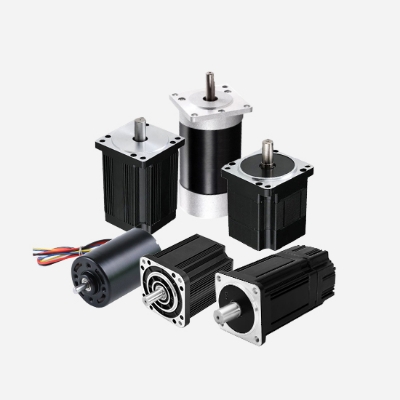
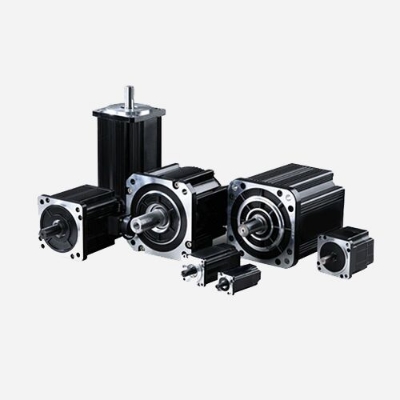
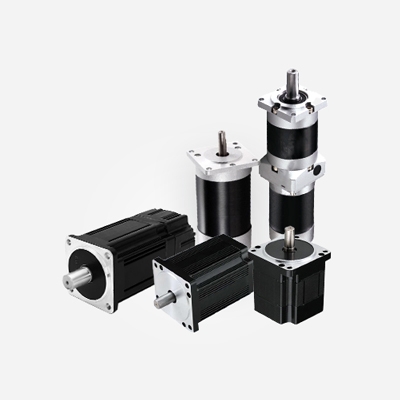
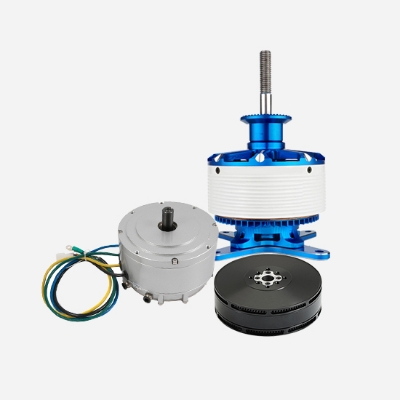
Brushless gear motors are widely used in robotics, automation systems, drones, and industrial equipment due to their high efficiency, long lifespan, and precise control. However, choosing the right motor is not as simple as picking the highest power rating or lowest price.
Before you make a purchase, here are five critical factors you must understand to ensure optimal performance and long-term reliability.
1. Understand Your Torque and Speed Requirements
Before selecting any brushless gear motor, you must clearly define how your load behaves, not just what you want it to do.
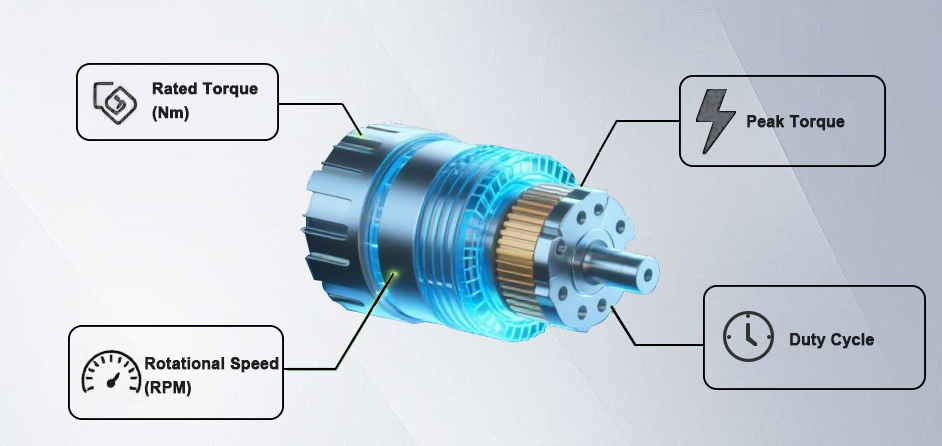
Key parameters include:
- Rated torque (Nm) – continuous operating torque
- Peak torque – required during startup or load spikes
- Speed (RPM) – operating and maximum speed
- Duty cycle – continuous, intermittent, or short-time operation
For example:
- A conveyor system requires stable continuous torque
- A robotic joint needs high peak torque with dynamic response
Common mistake:
Many buyers only look at rated power (W), but ignore torque curves. This often results in motors that cannot start under load or stall during operation.
Recommendation:
Always select a motor with at least 20–30% torque margin above your actual requirement.
2. Gear Ratio Directly Affects Performance
This is the core of a gear motor's function. You must differentiate between the motor's innate high speed and the gearbox's output. A “1000 rpm” rating might refer to the motor’s no-load speed, but the integrated gearbox reduces this output speed while multiplying torque.
For example, a 100W gear motor with a rated speed of 2000 rpm, when paired with a 50:1 gearbox, will deliver an output speed of approximately 40 rpm, while significantly increasing the available torque. Similarly, a 3000 rpm motor combined with a 100:1 gearbox results in an output speed of around 30 rpm with much higher torque.
Carefully examine the rated output torque and rated output speed listed for the complete gear motor assembly—not just the motor itself. Ensure the output torque meets or exceeds your load requirements with a reasonable safety margin, and that the output speed aligns with your desired operating conditions.
So, it’s not about choosing the “highest ratio,” but finding the right balance between speed and torque for your specific application.
3. Choose the Right Gearbox Type: Planetary vs. Worm
The gearbox type plays a critical role in determining the overall performance, efficiency, and application suitability of a BLDC gear motor. At the Brushless Online Shop, the most common options include BLDC planetary gear motors and BLDC worm gear motors, each designed for very different use cases.
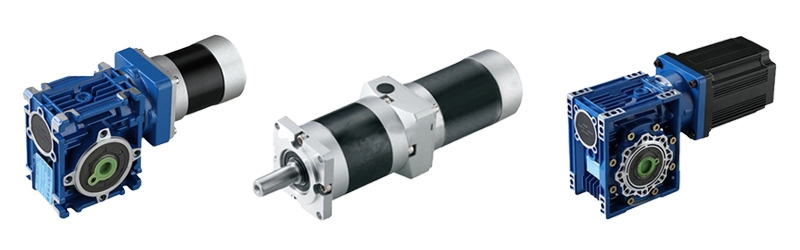
Planetary Gearboxes: High Efficiency and Precision
Planetary gearboxes are widely used in applications that require compact size, high efficiency, and precise motion control.
Key advantages:
- High transmission efficiency (typically 85–95%)
- Compact and coaxial design
- High torque density
- Low backlash, suitable for precision applications
Typical applications:
- Robotics and automation systems
- CNC machinery
- Medical and precision equipment
4. Select the Right Controller and Feedback System for Your Application
A brushless gear motor is not a standalone component—it operates as part of a complete drive system that includes a controller and feedback mechanism. Selecting an incompatible controller or the wrong feedback type can lead to unstable performance, inefficient operation, or even motor failure.
Controller Compatibility Is Critical
Every brushless motor requires a brushless motor speed controller or motor driver for commutation. When selecting a controller, you must ensure it matches the motor’s electrical characteristics:
- Voltage rating (must match the motor’s nominal voltage)
- Current rating (should exceed the motor’s peak current demand)
- Control method (PWM, analog, communication protocols such as UART/CAN)
5. Scrutinize Real-World Specifications, Not Just Peaks
When selecting a brushless gear motor, relying on peak specifications alone can be misleading. What truly determines long-term performance and reliability are the continuous (rated) specifications under real operating conditions.
Continuous Ratings vs. Peak Performance
Manufacturers often highlight peak torque, peak current, or maximum power, but these values are only sustainable for very short durations.
For example:
A motor rated at 10 Nm continuous torque with a 30 Nm peak can only deliver the peak torque briefly before overheating or triggering protection mechanisms.
By carefully evaluating these five critical areas, you can confidently select a brushless gear motor from the Brushless Motor Online Shop that not only meets your mechanical and electrical requirements, but also delivers optimal efficiency, stable performance, and long-term reliability under real operating conditions—reducing maintenance, improving overall system performance, and maximizing your return on investment.
