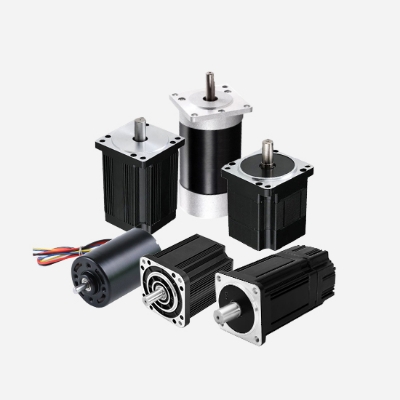
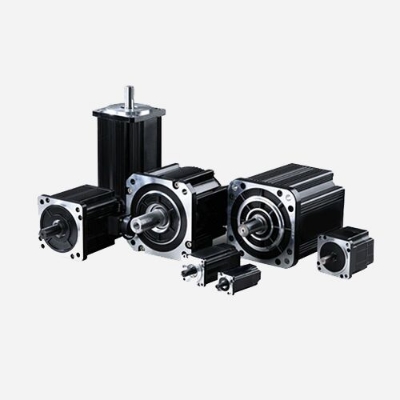
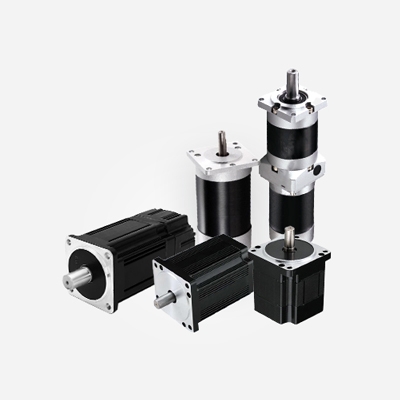
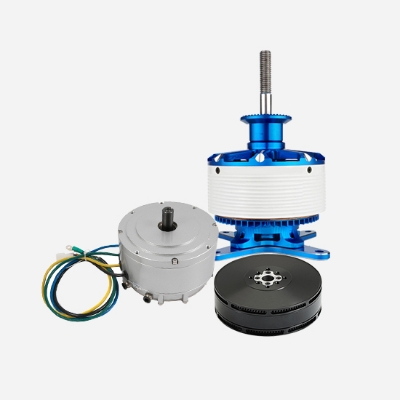
An outrunner brushless motor is a type of permanent magnet synchronous electric motor where the rotor (moving part) is on the outside, surrounding the stationary stator (inner coils). Unlike inrunner motors (with an inner shaft spinning inside a fixed outer case), the outrunner’s outer can rotates while the inner stator stays still. It has no brushes for commutation—instead, it uses electronic speed controllers (ESCs) to power the stator coils and create a
rotating magnetic field, which drives the outer rotor.
Frameless brushless motors, also known as "coreless" or "external rotor" motors, are a specialized type of electric motor that offers high efficiency, reduced size, and enhanced performance. Unlike traditional brushless motors, frameless motors do not have an external housing or frame. This makes them unique in design and ideal for applications where compactness, low weight, and high precision are critical. In this article, we will explore what a frameless brushless motor is, how it works, its advantages, and its common applications.
In the world of remote control (RC) boats, performance and efficiency are always top priorities for enthusiasts and professional players alike. Whether you're a champion on the racing circuit or a player enjoying a leisurely cruise on the water, a high-performance power system is the key to success. The brushless RC boat motor is undeniably one of the most highly regarded choices among many power systems. Today, we’ll dive into the advantages, technical principles, and how it can enhance your RC boat experience.
In the vast realm of machinery and automation, one of the essential components that drive precision and efficiency is the planetary gear motor. This sophisticated mechanism plays a crucial role in various applications, from robotics and automotive systems to industrial machinery. Let's delve into the world of planetary gear motors, exploring their structure, functions, and the myriad ways they contribute to modern technological advancements.
A waterproof brushless motor is a type of electric motor designed to operate in environments where exposure to moisture or water is a concern. Unlike traditional brushed motors, which use brushes and a commutator for electrical contact, brushless motors rely on electronic commutation through a control unit. The absence of brushes in brushless motors makes them more resistant to wear and tear, and this design, combined with appropriate sealing measures, allows for enhanced protection against water ingress.
An electronic speed controller is a device that is widely used in a variety of electric motors and drive systems, and its main function is to adjust and control the operating speed of the motor. This type of controller uses advanced electronic technology to monitor, compare, and adjust the output of the motor to achieve accurate and reliable speed control. The following is a detailed description of electronic speed controllers from the Inverter shop.
In the world of electric motors, there are various types that serve different purposes and applications. One of the most versatile and efficient options is the Brushless DC Gear Motor. This compact and powerful device has found its way into numerous industries, from robotics to automotive systems and beyond. In this blog post, we will explore what a Brushless DC Gear Motor is, how it works, its advantages, and some common applications.
Brushless gear motors are a modern motor technology that has been widely successful in a variety of applications. This brushless motor offers higher efficiency, lower maintenance costs, and a longer lifespan than traditional brushed motors. Brushless.com will provide you with an overview of how brushless gear motors work, their advantages, and prospects to help you better understand this important motor technology.
Brushless DC (BLDC) worm gear motors are a remarkable combination of advanced motor technology and mechanical engineering. They find application in various industries and are renowned for their efficiency and precision. In this blog post, we will delve into the world of BLDC worm gear motors, exploring their fundamental components, working principles, applications, and advantages.
A brushless DC motor, also known as a electronically commutated motor, is a type of electric motor that uses electronic commutation instead of brushes and a mechanical commutator, which are commonly found in traditional DC motors. Due to the absence of brushes and commutator. Because brushless motor has some components, it can better play the performance. In the following, we will introduce the components of BLDC motor.