
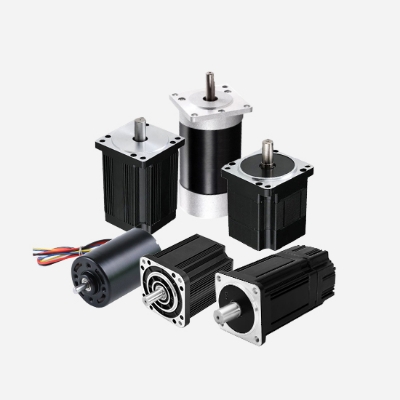
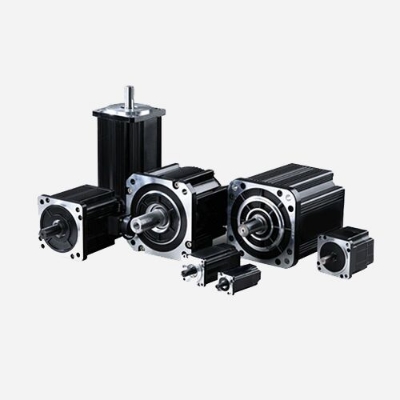
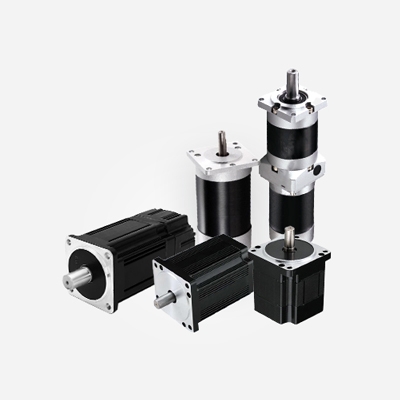
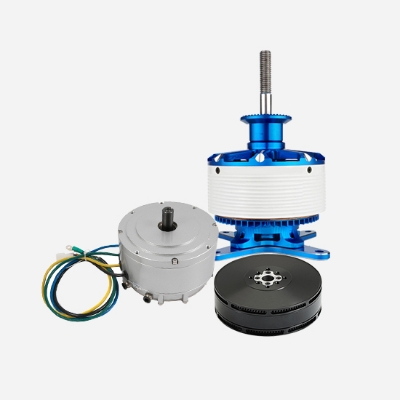
When selecting a geared motor for industrial equipment, robotics, or automation systems, engineers often compare brushless DC gear motors and brushed gear motors. Both types combine a motor with a gearbox to increase torque and reduce speed, but their internal structures and
performance characteristics are quite different.
Understanding the differences between these two motor technologies can help you choose the right solution for your application. This article explains the working principles, advantages, disadvantages, and typical applications of brushless DC gear motors and brushed gear motors.
What Is a Brushless DC Gear Motor?
A brushless DC gear motor (BLDC gear motor) is a motor system that integrates a brushless DC motor with a gearbox. Unlike traditional brushed motors, a brushless motor does not use mechanical brushes or a commutator to control current flow.
Instead, electronic controllers manage the switching of current through the motor windings. This electronic commutation improves efficiency, reduces mechanical wear, and provides better speed control. Key components of a brushless DC gear motor include:
- Brushless DC motor
- Electronic motor controller
- Gearbox (planetary gear, spur gear, or worm gear)
- Hall sensors or encoder (optional)
The gearbox reduces output speed while increasing torque, making the motor suitable for applications that require precise motion control and high torque output.
What Is a Brushed Gear Motor?
A brushed gear motor consists of a traditional brushed DC motor combined with a gearbox. In this type of motor, electrical current is transferred through carbon brushes that contact a rotating commutator.
The brushes periodically switch the current direction in the armature windings, allowing the motor to continue rotating.
The structure of a brushed gear motor typically includes:
- Brushed DC motor
- Carbon brushes
- Commutator
- Gearbox
- Output shaft
The gearbox reduces output speed while increasing torque, making the motor suitable for applications that require precise motion control and high torque output.
Key Differences Between Brushless DC Gear Motors and Brushed Gear Motors
Although both motors perform similar functions, several important differences affect their performance, lifespan, and maintenance requirements.
1. Commutation Method
The most significant difference lies in how the motors control current flow. Brushless DC gear motors use electronic commutation, meaning a controller switches the current electronically based on rotor position. This eliminates the need for brushes.
Brushed gear motors use mechanical commutation, where carbon brushes physically contact the commutator to change current direction. Electronic commutation improves efficiency and reduces friction-related losses.
2. Efficiency
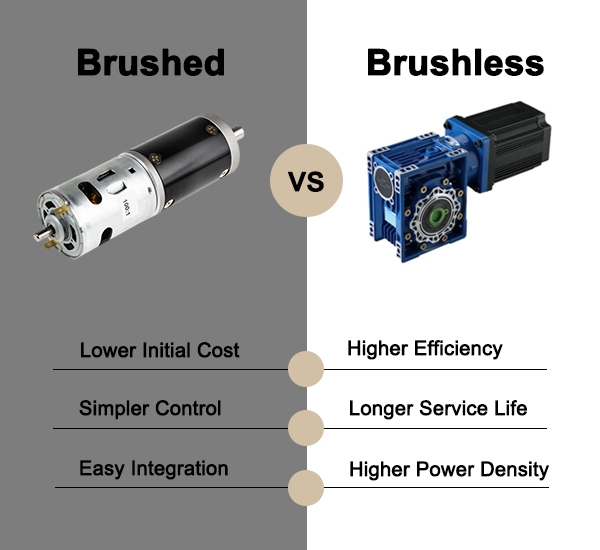
Brushless DC gear motors generally provide higher efficiency because there are no brush friction losses. The absence of mechanical contact also reduces heat generation.
Typical efficiency ranges:
- Brushless DC gear motor: 85%–90%
- Brushed gear motor: 70%–80%
Higher efficiency makes brushless motors more suitable for battery-powered systems and energy-sensitive applications.
3. Service Life
Brushless motors have a much longer lifespan because they do not contain brushes that wear out. Brushed motors require periodic brush replacement, especially in continuous-duty applications.
Typical lifespan comparison:
- Brushless DC gear motor: 10,000–20,000+ hours
- Brushed gear motor: 2,000–5,000 hours
This is one of the main reasons many industries are transitioning to brushless motor technology.
4. Maintenance Requirements
Because brushed motors contain mechanical brushes and commutators, they require regular maintenance.
Common maintenance tasks include:
- Brush replacement
- Commutator cleaning
- Inspection for wear
Brushless DC gear motors are almost maintenance-free because they have fewer mechanical wear components.
5. Speed and Torque Control
Electronic controllers enable precise regulation of motor speed and torque. This allows high-performance brushless gear motors to deliver smooth acceleration, deceleration, and consistent torque under varying loads, which is essential for robotics, CNC machinery, and other precision applications.
Brushed motors can still provide variable speed control but usually lack the same level of precision.
6. Noise and Vibration
Brushless DC gear motors produce less electrical and mechanical noise since they do not have brushes contacting a commutator. Brushed motors can generate sparks and mechanical noise due to brush friction.
For applications such as medical devices or precision instruments, low-noise operation is often a critical requirement.
Applications of Brushless DC Gear Motors
Brushless DC gear motors are commonly used in high-performance systems that require high efficiency, long service life, and precise motion control. Their stable operation and low maintenance make them ideal for modern automation equipment.
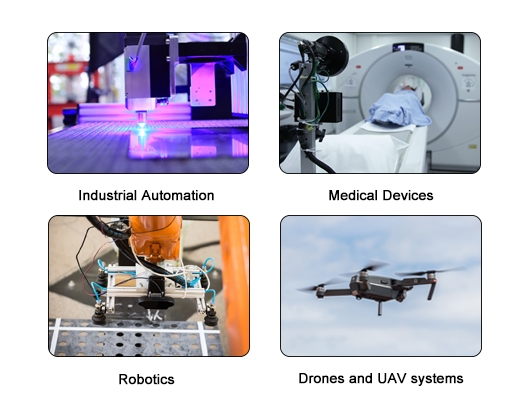
Typical applications include:
- Robotics – providing accurate motion and torque control for robotic arms and mobile robots
- Industrial automation – used in conveyor systems, automated machines, and production equipment
- AGV and AMR robots – enabling efficient and reliable movement in automated logistics systems
- Medical devices – suitable for medical instruments that require quiet operation and high precision
- Drones and UAV systems – delivering high power efficiency and reliable performance
- Precision positioning systems – used in CNC machines, laboratory equipment, and other precision devices
These applications benefit from the brushless motor’s high efficiency, long lifespan, low noise, and precise speed control.
Applications of Brushed Gear Motors
Brushed gear motors are often used in applications where cost-effectiveness and simple control are more important than high efficiency or long lifespan. Their straightforward design allows them to operate directly from a DC power source without complex controllers.
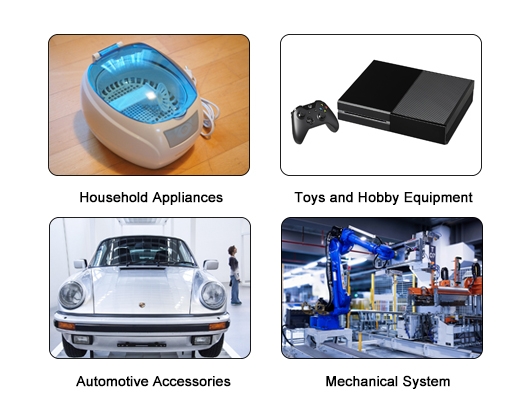
Common applications include:
- Household appliances such as small fans, mixers, and cleaning devices
- Toys and hobby equipment, where low cost and simple operation are important
- Small pumps and mechanical devices used in basic fluid or mechanical systems
- Automotive accessories, including window mechanisms and small actuators
- Low-cost mechanical systems used in entry-level automation or simple equipment
In these applications, brushed gear motors provide a practical and economical solution for basic motion control tasks.
The trend is unmistakably moving towards brushless technology, driven by demands for efficiency, reliability, and performance. However, the humble brushed motor is far from obsolete. Its sheer simplicity and low cost ensure it remains the perfect solution for countless applications where those virtues trump ultimate performance.
Cost vs. Performance vs. Complexity. For a quick, cheap, and simple solution, go brushed. For a high-performance, durable, and efficient system, explore quality brushless motors at our Brushless Online Shop.
