
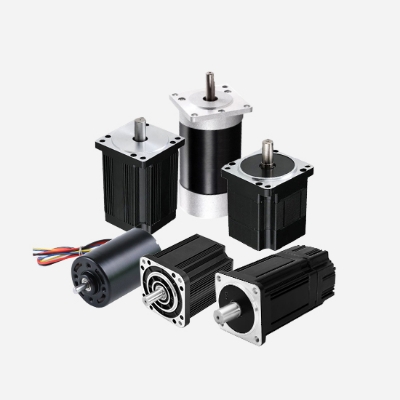
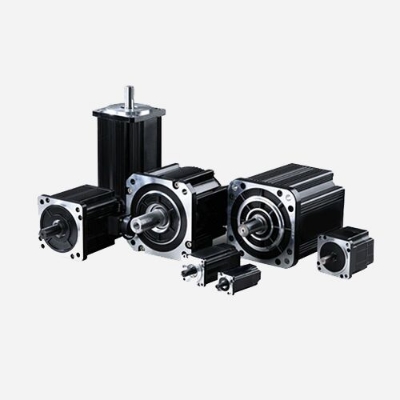
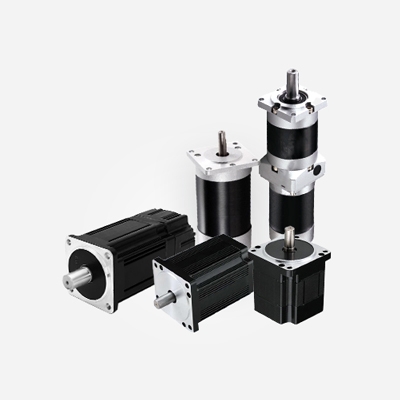
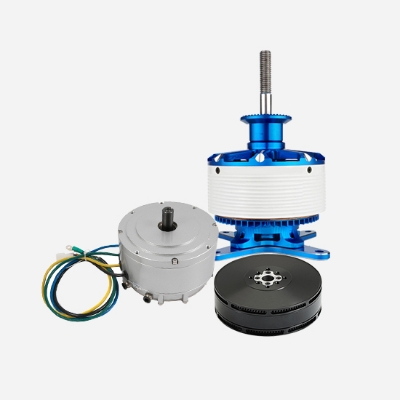
Robotics technology has rapidly evolved over the past decade, transforming industries such as manufacturing, healthcare, logistics, agriculture, and consumer electronics. Modern robotics demands compact, high-efficiency, long-lasting, and high-precision motion components. From industrial collaborative robots and AGVs to humanoid robots and small service robots, one component has become irreplaceable: BLDC (Brushless DC) motors.
BLDC motors are widely used in robotic systems because of their high efficiency, precise control, compact design, and long operational life. From robotic arms and autonomous mobile robots to drones and medical robots, these motors provide the performance and reliability required in modern automation systems.
This article explores the role of BLDC motors in robotics, their working principles, advantages, applications, and key considerations when selecting the right motor for robotic projects.
What Is Brushless DC Motor?
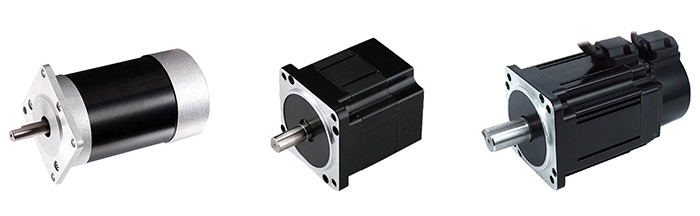
Brushless DC motors (BLDC motors) are high-efficiency electric motors powered by direct current (DC). Unlike traditional brushed motors, BLDC motors use electronic commutation instead of physical brushes, which reduces wear, minimizes maintenance, and improves overall durability. An electronic controller manages the current flow through the motor windings, generating magnetic fields that rotate the permanent magnet rotor with precise speed and torque control.
BLDC motors are known for their high power-to-weight ratio, fast response, quiet operation, and long service life. They can be designed in different structures such as inrunner, outrunner, or axial configurations, making them suitable for a wide range of applications. Compared to brushed motors, they provide higher efficiency, better reliability, and lower energy consumption.
Today, brushless DC motors are widely used in robotics, drones, industrial automation, electric vehicles, computer peripherals, and household appliances. Their ability to deliver high performance with low maintenance makes them an essential technology in modern engineering and automation systems.
Why Robotics Requires BLDC Motors?
Modern robotic systems demand motion components that can deliver:
- Precise speed control
- Fast response time
- High torque-to-weight ratio
- Smooth operation
- Compact size
- Energy efficiency
BLDC motors meet all of these requirements.
Traditional brushed motors may experience wear, sparking, and reduced lifespan over time. In robotics, where continuous operation and precise movement are often required, these limitations become significant.
BLDC motors solve these problems by using electronic commutation, allowing robotic systems to operate more accurately and efficiently.
Key Advantages of BLDC Motors in Robotics
Applications of BLDC Motors in Robotics
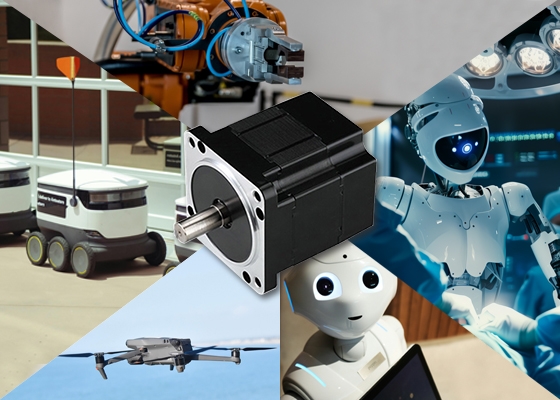
Industrial Robotic Arms
Industrial robots use BLDC motors for:
- Joint movement
- Precision positioning
- Automated assembly
- Welding operations
The motors provide accurate and repeatable motion required in manufacturing environments.
Autonomous Mobile Robots (AMRs)
AMRs rely on BLDC motors for:
- Wheel drive systems
- Navigation control
- Speed regulation
Their efficiency helps maximize battery runtime while maintaining stable movement.
Drones and UAVs
BLDC motors are widely used in drones because they offer:
- High speed
- Lightweight performance
- Rapid response
- Excellent power-to-weight ratio
Without BLDC technology, modern drone systems would not achieve their current performance levels.
Medical Robotics
Medical robots require:
- Quiet operation
- High precision
- Reliable performance
BLDC motors are commonly found in:
- Surgical robots
- Rehabilitation devices
- Automated laboratory systems
Service and Consumer Robots
Household robots such as robotic vacuum cleaners and smart assistants use BLDC motors for efficient and quiet movement.
Factors to Consider When Choosing a BLDC Motor for Robotics
Conclusion
BLDC motors have become one of the most important technologies in modern robotics. Their efficiency, precision, reliability, and compact design make them ideal for a wide range of robotic applications.
From industrial automation and drones to medical robots and autonomous systems, BLDC motors provide the motion control capabilities required for advanced robotics performance.
As robotics continues to evolve, the role of BLDC motors will become even more significant in shaping the future of intelligent machines and automation. For those looking for reliable options, the Brushless.com online store offers a wide selection of 12V–96V BLDC motors for different applications.
