
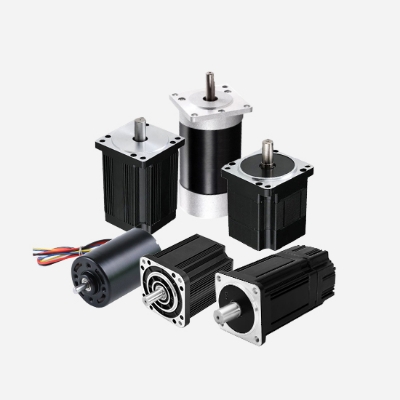
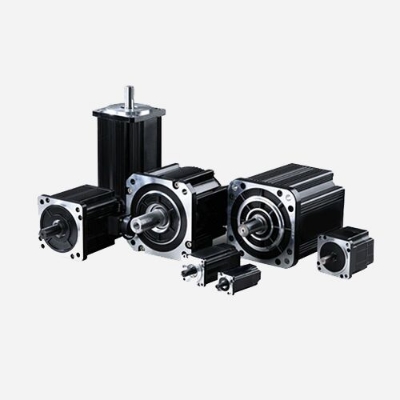
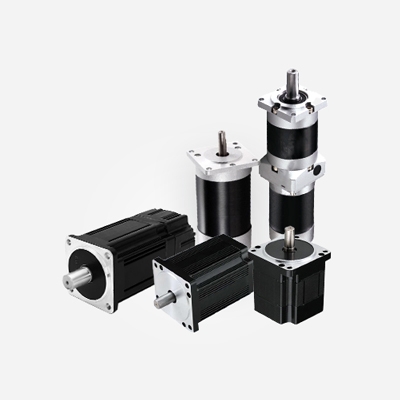
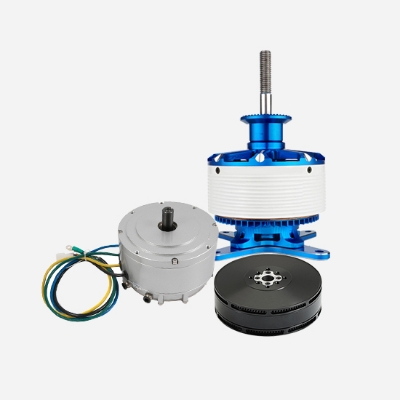
In modern electrical and mechanical engineering, motors play a crucial role in powering devices, machines, and systems across industries. Among the many types of motors available today, the Brushless DC (BLDC) motor has gained significant popularity. From household appliances and electric vehicles to industrial automation and aerospace applications, brushless DC motors are increasingly replacing traditional brushed motors and even some types of alternating current (AC) motors. But what makes them so special? Why should engineers, manufacturers, and consumers choose a BLDC motor over other motor types? In this article, we will discuss in detail.
Understanding the Basics of Brushless DC Motor
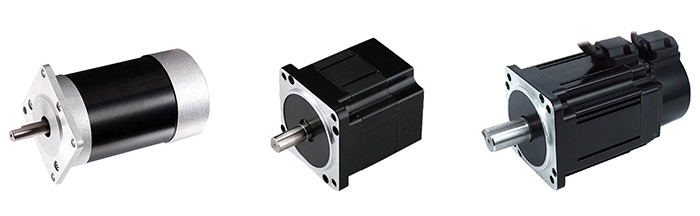
To understand why BLDC motors are a preferred choice, it is essential to first understand how they work. Unlike traditional brushed DC motors, which use physical brushes and a commutator to switch the direction of current in the motor windings, brushless DC motors use electronic commutation instead. This means that instead of mechanical contact between brushes and the rotating parts, a controller and electronic sensors manage the current flow.
A typical brushless DC electric motor consists of a rotor, which contains permanent magnets, and a stator, which contains the electrical windings. Hall effect sensors or other position-sensing technologies detect the position of the rotor, and a controller adjusts the current in the stator windings accordingly to create continuous rotation. This design eliminates the need for brushes, which are one of the main sources of wear, friction, and inefficiency in traditional DC motors.
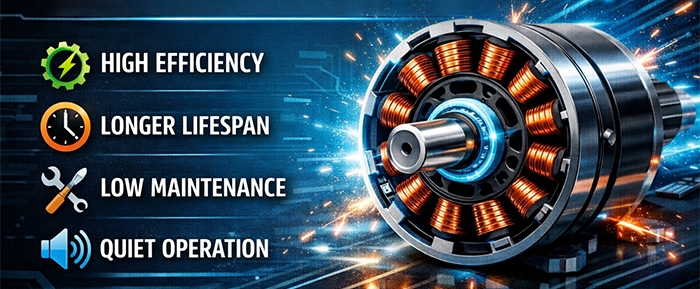
Because of this fundamental difference in design, brushless DC motors offer several key advantages over brushed motors, including higher efficiency, longer lifespan, lower maintenance, quieter operation, and better performance in demanding environments. These benefits make them an attractive option for a wide range of applications.
Why Choose BLDC Motor?
1. Higher Efficiency and Energy Savings:
One of the most compelling reasons to choose a BLDC motor is its superior energy efficiency. Since there are no brushes creating friction and heat, less energy is wasted during operation. Traditional brushed motors experience energy loss due to mechanical resistance and electrical arcing at the brush contacts, which reduces overall efficiency.
Brushless DC motors can achieve efficiency levels of 85% to 95% or even higher, depending on the design and application. This makes them particularly attractive in energy-sensitive environments such as electric vehicles, renewable energy systems, and battery-powered devices. For example, in electric bicycles and drones, using a brushless motor significantly extends battery life and improves performance.
In industrial settings, higher efficiency translates into lower electricity consumption and reduced operational costs over time. Companies looking to optimize energy usage and reduce their carbon footprint often prefer brushless DC motors as part of their sustainability strategy.
2. Longer Lifespan and Lower Maintenance:
Another major advantage of brushless DC motors is their durability and long operational life. Because there are no brushes to wear out, these motors experience far less mechanical degradation compared to brushed motors. In a brushed motor, the brushes gradually erode over time and must be replaced periodically, leading to downtime and maintenance expenses.
Brushless DC motors, on the other hand, require minimal maintenance. The absence of physical contact between moving electrical components reduces friction, heat buildup, and mechanical stress. As a result, these motors can operate reliably for tens of thousands of hours without significant performance decline.
This makes brushless motors ideal for applications where reliability is critical, such as medical devices, aerospace systems, and automated manufacturing equipment. In these fields, unexpected motor failure can be costly or even dangerous, making the reliability of brushless motors a major selling point.
3. Better Performance and Precise Control
Brushless DC electric motors offer superior performance in terms of speed control, torque, and responsiveness. The use of electronic controllers allows for precise adjustment of motor speed and direction, making them highly adaptable to different operating conditions.
In robotic systems, for example, brushless motors enable smooth and accurate movement, which is essential for tasks requiring precision. Similarly, in computer cooling fans and HVAC systems, these motors can adjust speed dynamically based on temperature or load conditions, improving efficiency and reducing noise.
Moreover, brushless motors provide high torque even at low speeds, making them suitable for applications such as electric power tools, electric vehicles, and industrial machinery. Their ability to maintain consistent performance across a wide range of operating conditions further enhances their appeal.
4. Reduced Noise and Vibration:
Noise and vibration are common issues with traditional brushed motors due to friction between brushes and the commutator. This can be problematic in applications where quiet operation is desired, such as household appliances, office equipment, and medical devices.
Brushless DC motors operate much more quietly because they eliminate mechanical brush contact. The smooth electronic commutation process results in less vibration and a more stable operation. This is why many modern appliances, such as washing machines, air conditioners, and vacuum cleaners, now use brushless motors instead of brushed ones. In addition to improving user comfort, reduced noise and vibration also contribute to the longevity of the motor and the overall system, as less mechanical stress is placed on components.
5. Compact and Lightweight Design:
Another advantage of brushless DC motors is their compact size and lightweight structure. Because they do not require bulky brushes and commutators, these motors can be designed to be smaller and more efficient without sacrificing power. This is particularly beneficial in applications where space and weight are critical factors, such as drones, electric vehicles, portable medical devices, and consumer electronics. Manufacturers can create more compact and lightweight products while still delivering high performance. For instance, modern smartphones and laptops rely on small brushless motors in components like cooling fans and vibration motors, helping keep devices slim and portable.
6. Environmental Benefits:
As the world shifts toward greener and more sustainable technologies, brushless DC electric motors play an important role in reducing environmental impact. Their high efficiency means less energy consumption, which helps lower greenhouse gas emissions. Furthermore, because they require less maintenance and have a longer lifespan, fewer resources are needed for repairs and replacements. This reduces waste and supports more sustainable manufacturing practices. Many renewable energy systems, such as solar panel tracking systems and wind turbines, use brushless motors to optimize performance and efficiency, contributing to cleaner energy production.
Cost Consideration: Is BLDC Motor Worth It?
While brushless DC motors offer numerous advantages, they are typically more expensive upfront than brushed motors due to the need for electronic controllers and more advanced manufacturing processes. However, when considering total cost of ownership, brushless motors often prove to be more cost-effective in the long run.
Lower maintenance costs, reduced energy consumption, and longer lifespan offset the initial investment. In industrial and commercial applications, this can result in significant savings over time.
For consumers, products equipped with brushless motors may have a higher price tag, but they often deliver better performance, quieter operation, and greater durability, making them a worthwhile investment. We provide a variety of brushless DC motors on our website, including 12V, 24V, 36V, and 48V options, as well as NEMA 23 brushless DC motor and NEMA 34 BLDC motor.
Conclusion
Choosing a BLDC motor offers numerous advantages over traditional motor technologies. From higher efficiency and longer lifespan to quieter operation and better control, BLDC motors provide superior performance across a wide range of applications. Their durability, reliability, and adaptability make them an excellent choice for both industrial and consumer use.
While they may require a higher initial investment, their long-term benefits in terms of energy savings, reduced maintenance, and improved performance make them a worthwhile choice. As industries continue to evolve and prioritize efficiency and sustainability, BLDC motors will undoubtedly remain at the forefront of modern electric motor technology.
In summary, if you are looking for a motor that delivers efficiency, reliability, precision, and longevity, a BLDC motor is an outstanding choice. If you have any questions, please contact us, and Brushless.com will do our best to help you.
