
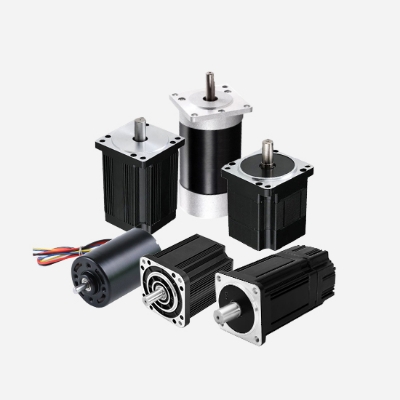
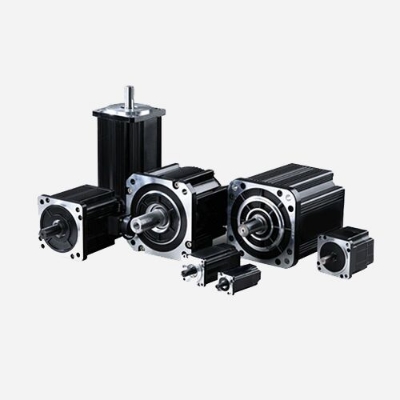
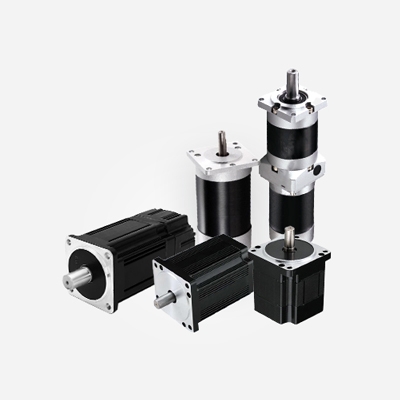
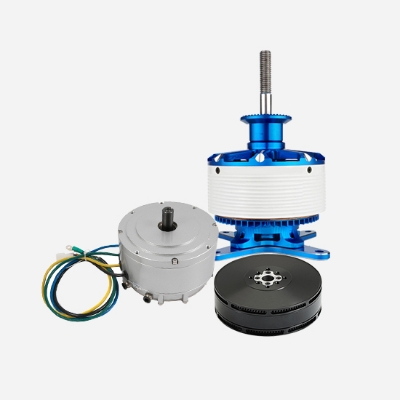
Choosing the right waterproof brushless motor is critical for ensuring reliable performance in wet, humid, or harsh environments. Whether your application involves outdoor equipment, marine systems, pumps, robotics, or industrial automation, understanding key selection factors will help you avoid premature failure and optimize efficiency. This guide walks you through the essential considerations when selecting a waterproof BLDC motor.
What Is a Waterproof Brushless Motor?
A waterproof brushless motor (also known as a waterproof BLDC motor) is designed with special sealing structures, coatings, and materials to prevent water, moisture, and dust from entering the motor. Compared with standard brushless motors, waterproof versions offer higher reliability and longer service life in challenging environments. Typical waterproof designs include sealed housings, O-rings, resin potting, stainless steel shafts, and corrosion-resistant bearings.
Understand the IP Rating
The Ingress Protection (IP) rating is one of the most important factors when selecting a waterproof brushless motor.
- IP65: Protected against water jets and dust; suitable for outdoor equipment and light washdown environments.
- IP67: Can withstand temporary immersion in water; ideal for pumps and marine-related applications.
- IP68: Designed for continuous underwater operation; commonly used in underwater robots, ROVs, and submersible systems.
Always choose an IP rating based on the real operating conditions rather than just the installation environment.
Define Operating Environment
Before selecting a waterproof brushless motor, it is essential to clearly define the actual operating environment, as environmental conditions have a direct impact on motor performance, lifespan, and reliability.
Key factors to consider include:
- Water type: Determine whether the motor will be exposed to freshwater or saltwater. Saltwater environments are more corrosive and require enhanced sealing, corrosion-resistant materials, and specialized surface treatments.
- Installation location: Identify whether the motor will be installed indoors or outdoors. Outdoor installations may involve rain, dust, UV exposure, and temperature fluctuations.
- Ambient temperature and humidity: Evaluate both normal and extreme temperature ranges, as well as long-term humidity levels, which can affect insulation, bearings, and electronic components.
- Chemical or corrosive exposure: Consider the presence of oils, cleaning agents, solvents, or other chemicals that may degrade seals, coatings, or motor housings.
- Duty cycle: Define whether the motor will operate continuously or intermittently. Continuous operation in wet environments places higher demands on sealing, cooling, and thermal management.
For marine or saltwater applications, additional measures such as stainless steel shafts, anti-corrosion coatings, sealed bearings, and higher IP-rated housings are strongly recommended to ensure long-term stable operation.
Key Electrical Specifications
Selecting the correct electrical specifications for waterproof brushless motors is essential to ensure stable, efficient, and reliable motor operation. Improper electrical matching of brushless DC motors may lead to performance degradation, overheating, or premature motor failure.
Key electrical parameters to consider include:
- Rated voltage: The motor voltage must match the available power supply and system design to ensure proper startup and stable operation.
- Rated power and torque: Choose the appropriate power level and torque output based on load requirements. Waterproof brushless motors are commonly available in different power ranges, such as 500W, 3000W, and 6000W, to support light-duty, medium-duty, and high-power applications.
- Speed range (RPM): Select a motor with a suitable speed range to meet the operational demands of your system.
- Current and efficiency: Evaluate rated and peak current values along with motor efficiency to ensure compatibility with the motor controller and to reduce energy loss and heat generation.
Always ensure that the motor, power supply, and controller are properly matched. Proper electrical coordination improves efficiency, prevents overheating, and helps extend the service life of the waterproof brushless motor.
Torque and Speed Requirements
Different applications require different torque–speed characteristics, so it is important to define performance requirements based on the actual load and operating conditions.
Typical application examples include:
- High torque, low speed: Pumps, valves, and actuators often require strong starting torque and stable operation at low speeds to handle fluid resistance or mechanical loads.
- High speed, moderate torque: Fans, blowers, and drones prioritize higher rotational speed with sufficient torque to maintain efficiency and dynamic response.
- Stable torque control: Robotics and automation systems demand smooth torque output and precise speed control to ensure accuracy, repeatability, and safe operation.
Motor Structure and Waterproofing Method
Waterproof brushless motors adopt different structural designs and protection methods to prevent water, moisture, and contaminants from entering the motor. Selecting the right waterproofing approach is essential for achieving the required level of protection while maintaining performance and cost efficiency.
Common waterproofing methods include:
- Fully sealed housing: Provides excellent protection against water, dust, and external contaminants. This design is well suited for harsh environments such as outdoor equipment, washdown areas, and underwater or marine applications, but may limit heat dissipation if not properly designed.
- Conformal coating: A protective coating applied to internal electronic components, helping prevent moisture-related corrosion and short circuits. This method is often used in environments with high humidity or occasional water exposure rather than continuous immersion.
- Shaft sealing and bearings: High-quality shaft seals and sealed bearings are critical for preventing water ingress through rotating parts, which are common failure points in waterproof motor designs.
In practice, many waterproof brushless motors combine multiple protection methods to achieve higher IP ratings and improved reliability. Understanding these structural differences allows you to balance cost, performance, heat dissipation, and long-term durability when selecting the most suitable motor for your application.
Cooling and Heat Dissipation
Waterproof brushless motor designs often use sealed or semi-sealed structures, which can reduce heat dissipation compared to standard motors. As a result, thermal management becomes a critical factor, especially in high-power or continuous-operation applications.
When selecting a motor, consider the following thermal factors:
- Duty cycle: Continuous operation generates significantly more heat than intermittent use. Motors designed for continuous duty require better thermal paths and derating considerations.
- Ambient temperature: High surrounding temperatures reduce the motor’s ability to dissipate heat, increasing the risk of overheating and insulation degradation.
- Available cooling methods: Depending on the application, cooling can be achieved through air cooling, water cooling, or conductive cooling via the mounting structure or housing.
Controller and Cable Protection
A waterproof brushless motor must be paired with a compatible controller and properly protected cabling to ensure reliable operation in wet or harsh environments. Even if the motor itself is waterproof, inadequate protection of the controller or cables can lead to system failure.
Key considerations include:
- Motor controller protection: Use a waterproof motor controller or install the controller in a protected, sealed enclosure away from direct water exposure. In some applications, a remote-mounted controller is preferred to reduce heat buildup and improve accessibility.
- Shielded and sealed cables: High-quality, shielded cables help reduce electrical interference while sealed outer jackets prevent moisture ingress along the cable length.
- Waterproof connectors: Select connectors rated for the same or higher IP level as the motor to maintain system-level waterproof performance.
- Cable entry and strain relief: Cable entry points are common failure locations due to vibration, movement, and repeated stress. Proper sealing, strain relief, and mechanical support are essential to prevent water penetration and cable damage.
Customization Options
Many applications require customized waterproof brushless motor solutions to meet specific performance, space, or environmental requirements. Tailored motors can significantly improve system integration, efficiency, and reliability, especially for industrial, marine, or high-power applications.
Common customization options include:
- Shaft length and diameter: Adapt the motor shaft to match mechanical interfaces, gearboxes, or coupling requirements.
- Mounting dimensions: Customize flange size, bolt pattern, and overall motor footprint for seamless installation.
- Voltage and winding design: Adjust motor voltage, winding type, and turns to achieve desired speed, torque, or efficiency characteristics.
- IP rating level: Increase ingress protection according to application demands (e.g., IP65, IP67, IP68) for harsher or submerged environments.
- Sensors: Integrate Hall sensors, encoders, or temperature sensors for precise speed, position, or thermal feedback.
- Materials and coatings: Use corrosion-resistant materials, stainless steel shafts, or special coatings to enhance durability in saltwater or chemical environments.
- Cooling options: Customize for passive or active cooling methods to maintain thermal stability under continuous or high-load operation.
- Connector and cable options: Specify waterproof connectors, cable length, or shielding to suit installation and system integration needs.
waterproof brushless motor can be fully optimized for your application, improving performance, reducing downtime, and ensuring long-term reliability with custom brushless motors.
Selecting the right waterproof brushless motor requires a balance of environmental protection, electrical performance, mechanical design, and cost. By carefully evaluating IP rating, operating conditions, torque requirements, and customization needs, you can confidently choose a motor that meets your application demands through a reliable Brushless Motor Online Store.
